
When you look at a watch, what do you see? Just the time? A fine timepiece tells a much richer story through its dial. Understanding its complications, displays, and design details is the first step toward truly appreciating the watch and the craftsmanship behind it.
What Is a Dial, and What Does It Tell You?
The dial is the face of a watch. Yet a well-designed dial does far more than display the time—it communicates information. Beyond the hour and minute hands, every detail on the dial serves a purpose.
In watchmaking, a complication refers to any function beyond basic timekeeping. Even a date display is technically considered a complication. Chronographs, dual time zones, moon phase displays, and annual calendars are all examples of engineering achievements that enhance a watch's functionality and character.
Chronograph
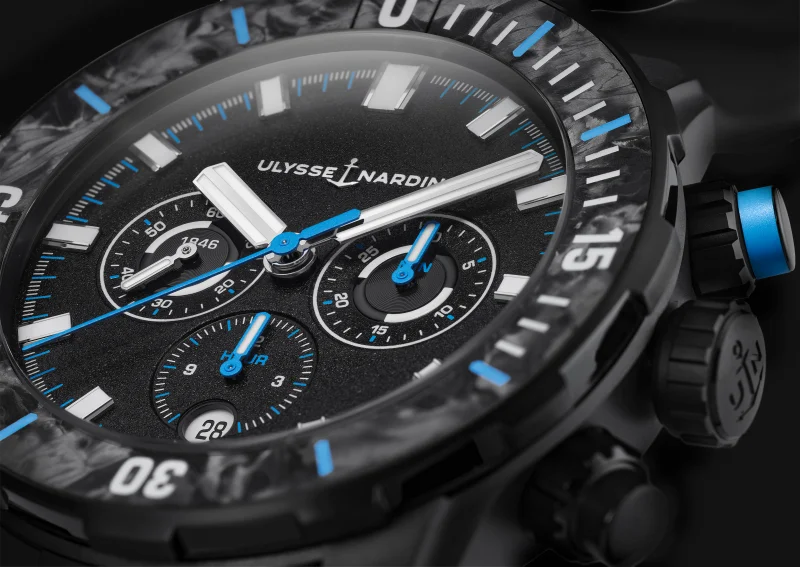
One of the most common and recognizable complications, the chronograph is typically identified by its sub-dials and additional pushers on the case.
Essentially a stopwatch integrated into a wristwatch, the chronograph was originally developed to measure elapsed time in motorsports and aviation. Today, it remains a favorite among both professionals and enthusiasts.
The Breitling Navitimer and Tag Heuer Carrera are among the most iconic chronograph watches ever produced.
Moon Phase
A moon phase display is usually presented through a small aperture on the dial, showing the current phase of the moon.
As one of watchmaking's most poetic complications, the moon phase combines astronomical precision with artistic elegance. It represents a rare intersection of technical mastery and visual beauty.
This complication is frequently found in collections such as the Longines Master Collection and selected Frederique Constant timepieces, adding both character and sophistication to the dial.
Dual Time Zone (GMT)
Designed for frequent travelers and international professionals, the GMT complication allows two different time zones to be displayed simultaneously.
This is typically achieved through an additional hand working in conjunction with a 24-hour scale or a dedicated secondary time display.
The Breitling Navitimer GMT is one of the most recognized examples of this practical and highly useful complication.
Power Reserve Indicator
The power reserve indicator displays the amount of remaining energy stored within a mechanical movement.
Usually presented as a small sub-dial or linear scale, it allows the wearer to monitor how long the watch will continue running before requiring winding or movement through wrist motion.
For owners of mechanical timepieces, it provides both convenience and peace of mind.
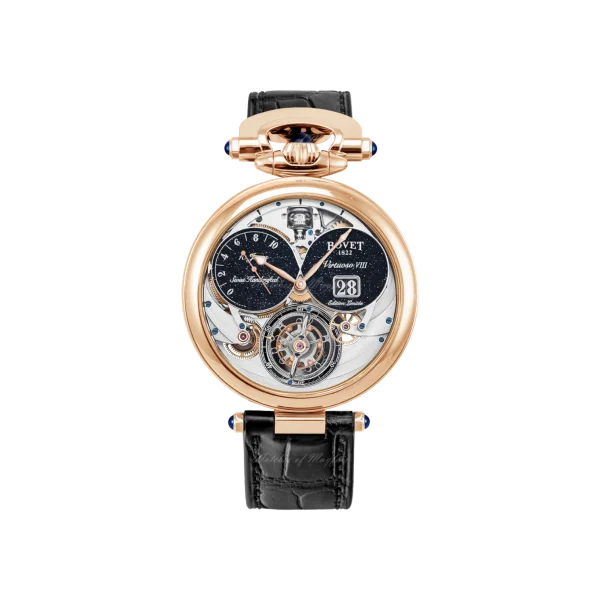
Tourbillon
The tourbillon represents one of the highest achievements in traditional watchmaking.
Invented in 1801 by Abraham-Louis Breguet, the tourbillon was designed to counteract the effects of gravity on a watch's regulating organ, thereby improving accuracy.
Visible through an opening in the dial, its continuously rotating cage creates a captivating display of mechanical artistry. Beyond its technical significance, the tourbillon has become a symbol of exceptional craftsmanship and horological prestige.
Owning a tourbillon timepiece is often regarded as entering the highest echelon of fine watchmaking.
Reading a Dial Becomes a Pleasure
Learning to read a watch dial requires more than ownership—it requires understanding.
That understanding develops over time, growing with every new watch encountered, every detailed examination, and every conversation shared among enthusiasts.
At Aykach, you can explore exceptional timepieces firsthand and receive expert guidance on the complications, craftsmanship, and heritage that make each watch unique.